Targeted Solutions
for
Patient-Specific Needs
Explore the role of peptide compounding in individualized care, with an emphasis on clinical collaboration, quality, and applicable regulatory requirements.
Patient-Specific
Formulations
Compounding to address individual patient needs when commercially available medications are unsuitable.
Quality and Safety
Prepared by pharmacy professionals following applicable compounding standards and quality procedures.
Provider Collaboration
Direct communication with prescribers to support prescription clarification and coordinated patient care.
Multi-State Service
Licensed in New Mexico, Colorado, Georgia, Nevada, Indiana, Wisconsin, and Maryland.
Dispensing and shipping are subject to applicable federal and state requirements. Medication availability may vary.
What Are Peptides?
Peptides are short chains of amino acids that play important roles in various biological processes, including tissue repair, inflammation response, metabolism, and neurological function.
Compounded peptide therapies may be an option when commercially available products are not suitable for a patient’s specific clinical needs, as determined by a licensed healthcare provider.

Our Offerings
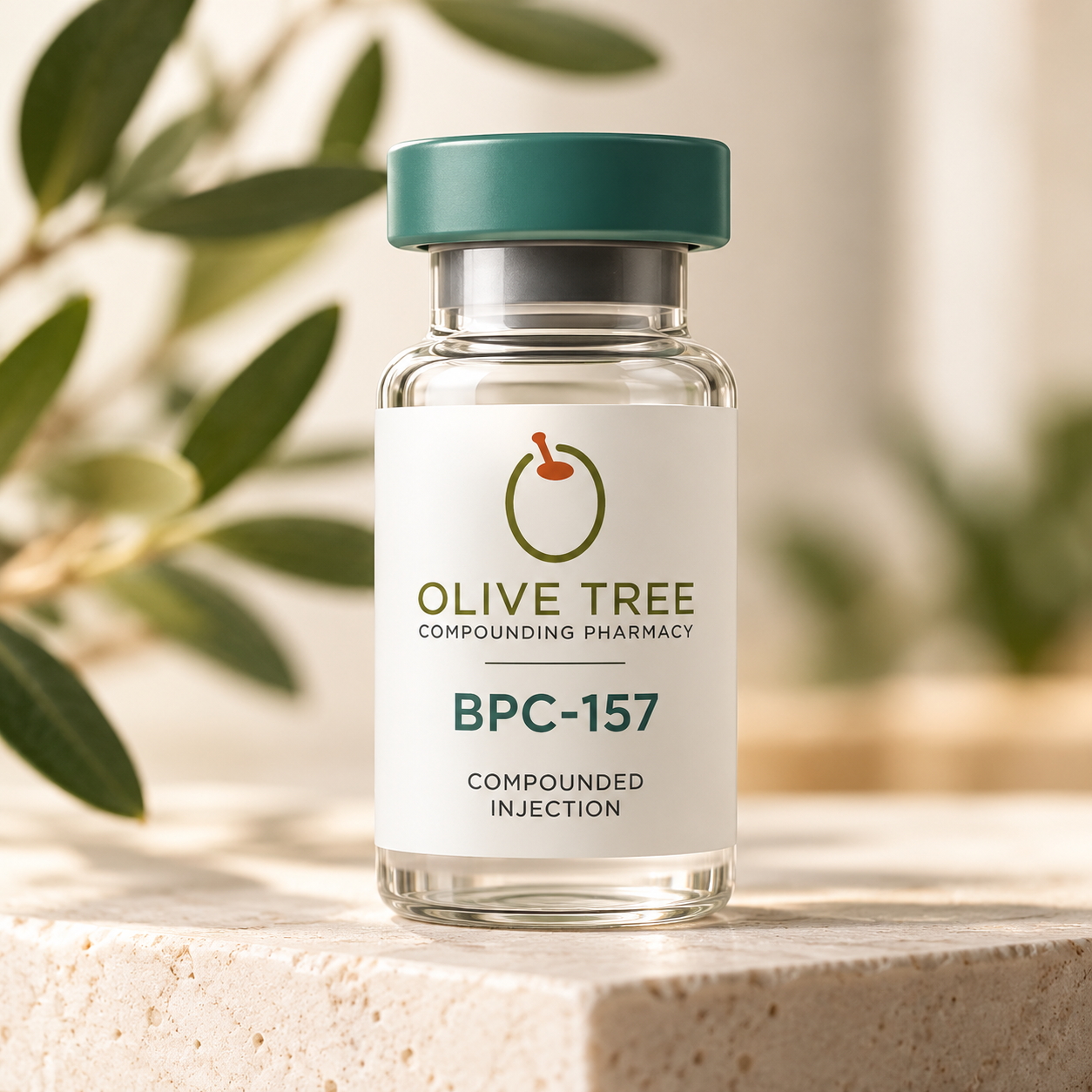
BPC - 157
BPC-157 is a synthetic peptide being investigated for its potential role in tissue repair, cellular signaling, and inflammatory responses. While preliminary research has generated interest in its therapeutic applications, robust human clinical evidence remains limited. Under the October 28, 2026 HHS interim enforcement-discretion policy, certain BPC-157 formulations may be compounded by qualifying 503A pharmacies that meet the applicable requirements. BPC-157 is not FDA-approved, and its availability remains subject to regulatory and patient-specific prescribing considerations.
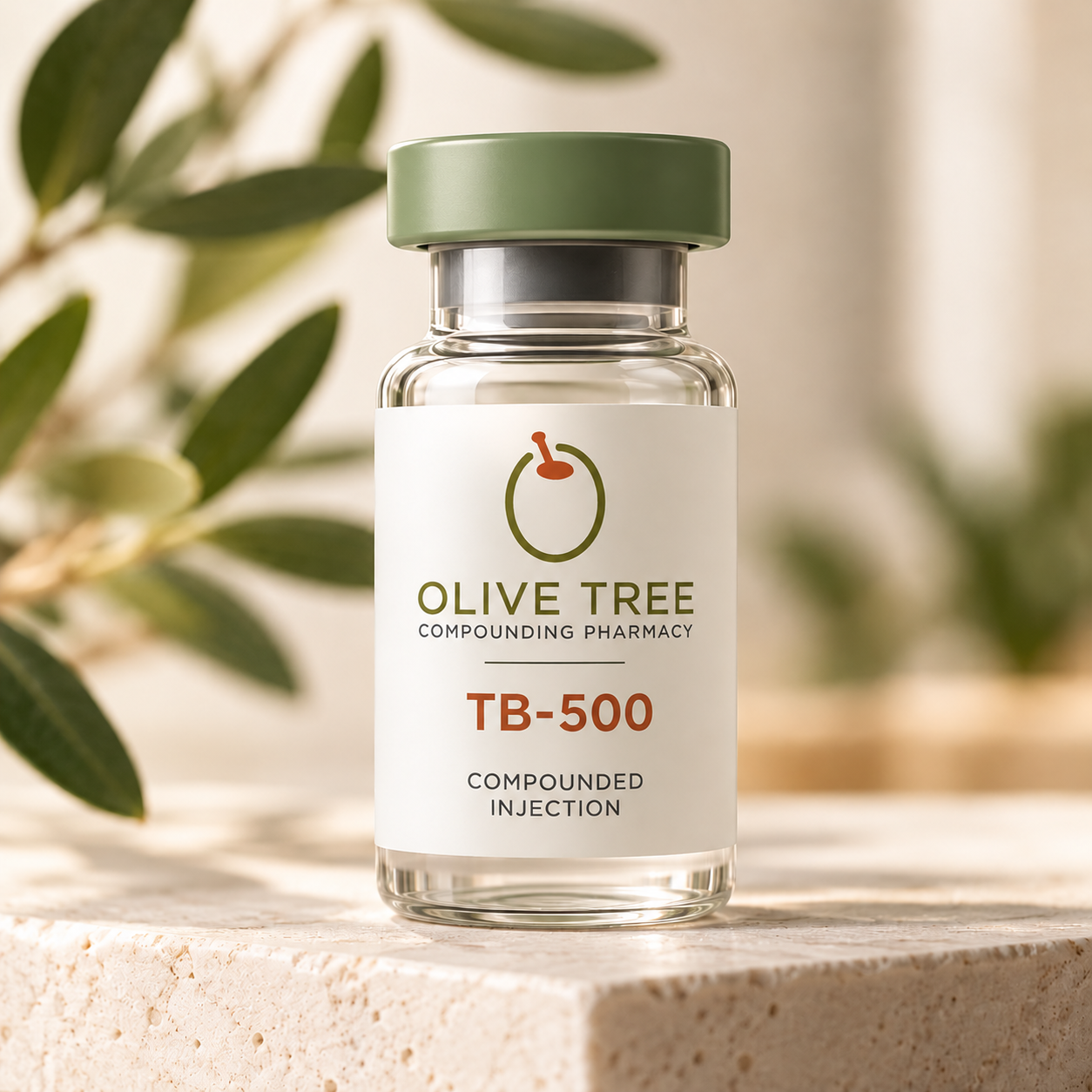
TB - 500
TB-500 is a synthetic peptide associated with research into cellular migration, tissue regeneration, and wound-healing processes. Its potential applications continue to be explored, although established clinical evidence in humans remains insufficient. The October 28, 2026 HHS interim enforcement-discretion policy provides a conditional pathway for qualifying 503A pharmacies to compound specified TB-500 formulations. TB-500 is not FDA-approved, and compounding must comply with applicable quality, formulation, and prescribing requirements.
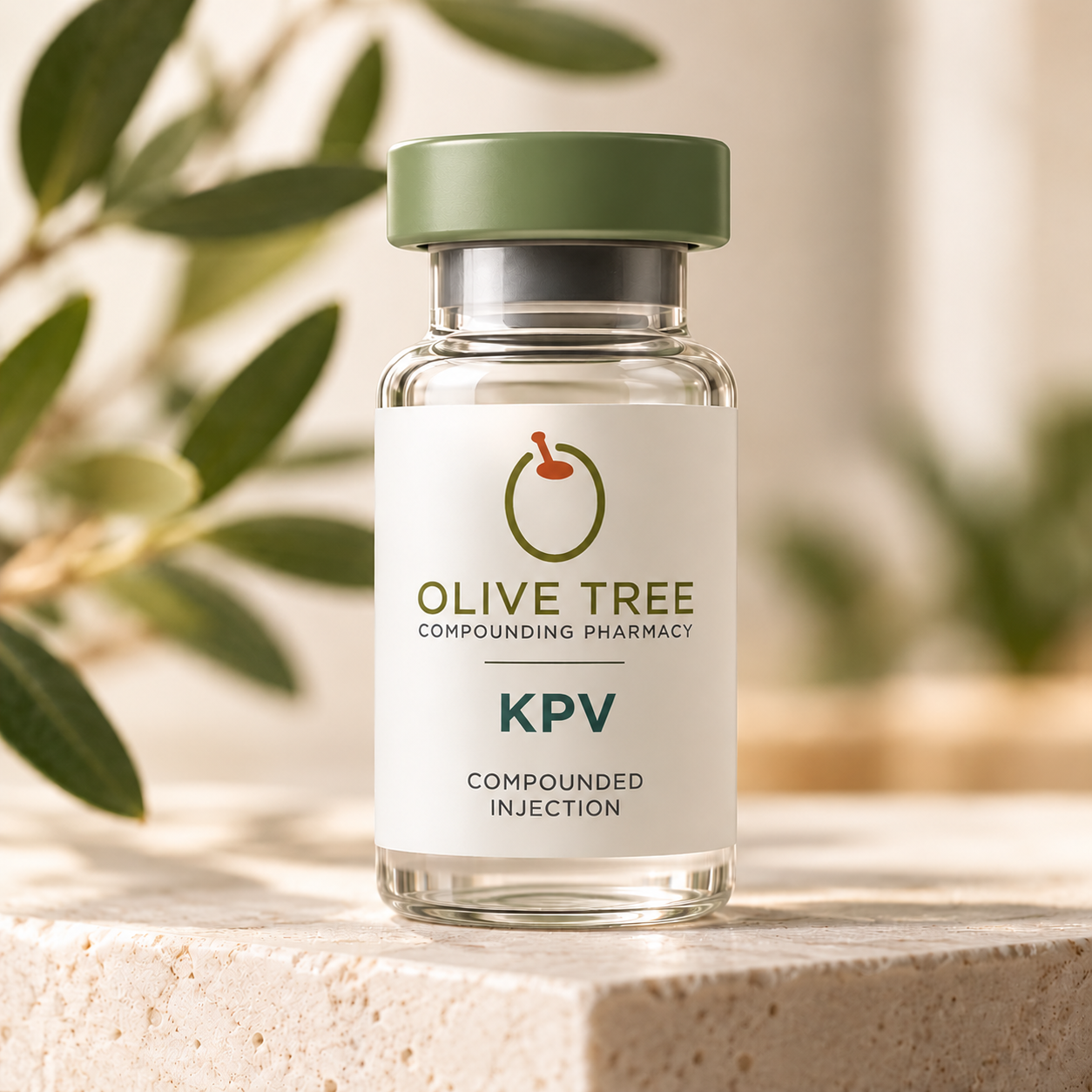
KPV
KPV is a naturally occurring tripeptide derived from alpha-melanocyte-stimulating hormone (α-MSH) and is being studied for its potential anti-inflammatory and immunomodulatory properties. Early research has examined its effects on inflammatory signaling, particularly in gastrointestinal and dermatological contexts, but clinical evidence remains limited. Under the October 28, 2026 HHS interim enforcement-discretion policy, qualifying 503A pharmacies may compound specified oral and topical KPV formulations when applicable conditions are satisfied. KPV is not FDA-approved.
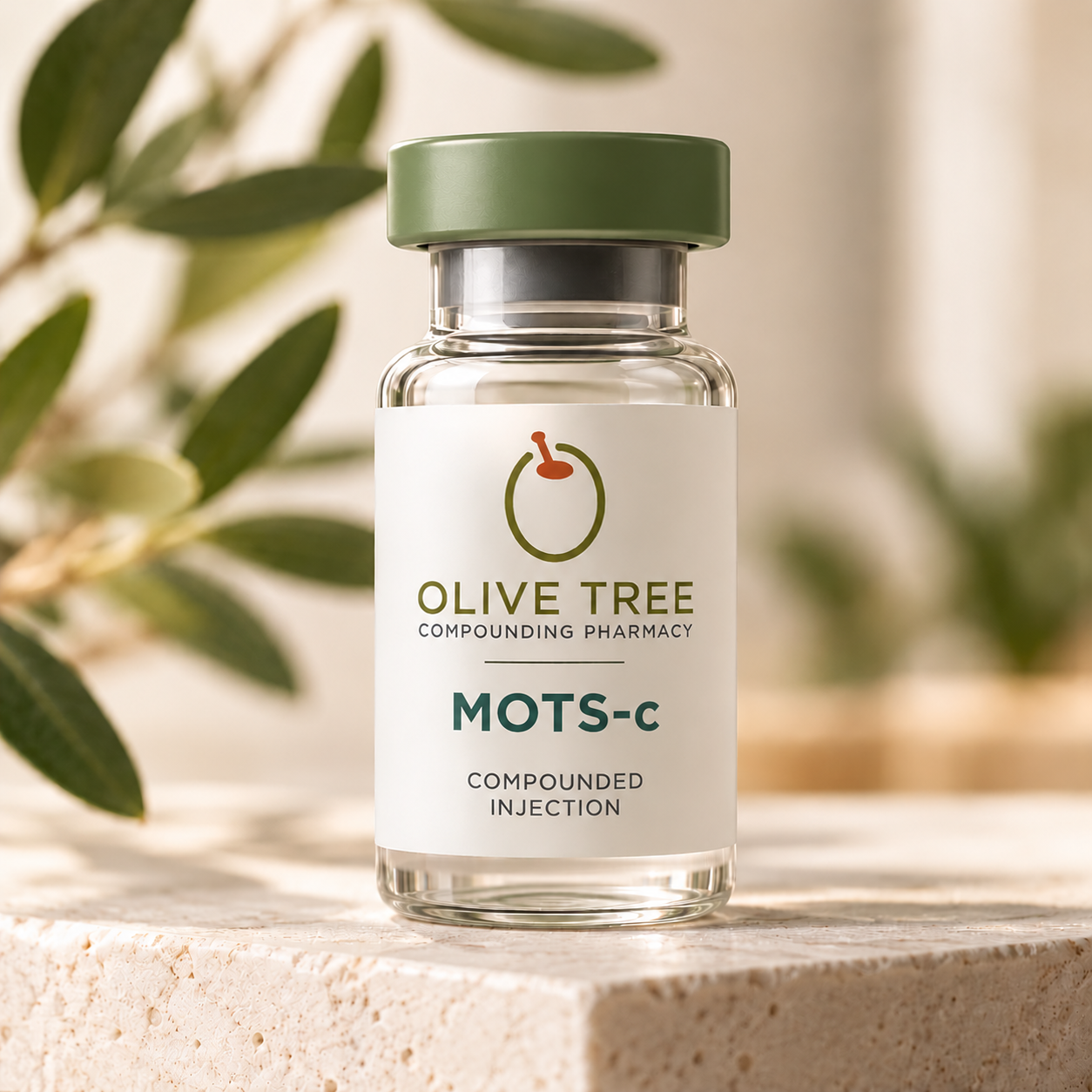
MOTS-c
MOTS-c is a mitochondrial-derived peptide being investigated for its involvement in cellular metabolism, energy regulation, and metabolic signaling pathways. Preclinical research has generated interest in its potential physiological applications, although human clinical data remain limited and its safety and effectiveness have not been established. The October 28, 2026 HHS interim enforcement-discretion policy addresses certain MOTS-c formulations prepared by qualifying 503A pharmacies under specified conditions. MOTS-c is not FDA-approved, and availability depends on applicable regulatory and prescribing requirements.
Semax
Semax is a synthetic peptide studied for its potential effects on neurological signaling, neuroprotection, and cognitive processes. Although it has been investigated in several research settings, evidence supporting its clinical use remains limited, particularly within the United States. The October 28, 2026 HHS interim enforcement-discretion policy provides a conditional pathway for qualifying 503A pharmacies to prepare specified intranasal Semax formulations. Semax is not FDA-approved, and compounding remains subject to applicable regulatory, quality, and prescribing requirements.
Epitalon
Epitalon is a synthetic tetrapeptide investigated for its potential relationship with cellular aging, telomerase activity, and biological regulatory processes. Much of the available research is preliminary, and reliable human clinical evidence establishing its safety or therapeutic effectiveness remains insufficient. Under the October 28, 2026 HHS interim enforcement-discretion policy, qualifying 503A pharmacies may compound certain specified Epitalon formulations when all applicable conditions are met. Epitalon is not FDA-approved, and its availability is subject to regulatory and patient-specific prescribing requirements.
Sermorelin Acetate
Sermorelin acetate is a synthetic peptide that mimics a portion of the body's naturally occurring growth hormone-releasing hormone (GHRH). It works by stimulating the pituitary gland to release growth hormone, making it an area of clinical interest in endocrine health and growth hormone regulation. Sermorelin was previously available in an FDA-approved prescription product for specific diagnostic and pediatric indications, but that product has since been discontinued. Although sermorelin continues to attract interest in hormone-related research, evidence supporting its use for anti-aging, weight management, and general wellness remains limited. Compounded sermorelin preparations are not FDA-approved, and their preparation and dispensing are subject to applicable federal and state regulations.
PT-141 (Bremelanotide)
PT-141, also known as bremelanotide, is a synthetic peptide that acts on melanocortin receptors involved in sexual desire and arousal. Unlike medications that primarily influence blood flow, PT-141 works through pathways in the central nervous system associated with sexual response. Bremelanotide is the active ingredient in Vyleesi, an FDA-approved prescription medication for acquired, generalized hypoactive sexual desire disorder (HSDD) in premenopausal women. Research has also explored its potential applications in other areas of sexual health, although evidence for these uses remains limited. While the FDA has approved a specific bremelanotide product for a defined indication, compounded PT-141 formulations are not FDA-approved and are subject to applicable federal and state compounding regulations.
Partner With Us for Peptide Solutions
Reliable, high-quality compounded peptides for your patients, practice, or organization.